Ospop: Cracking The China Market
Ospop: Cracking the China Market
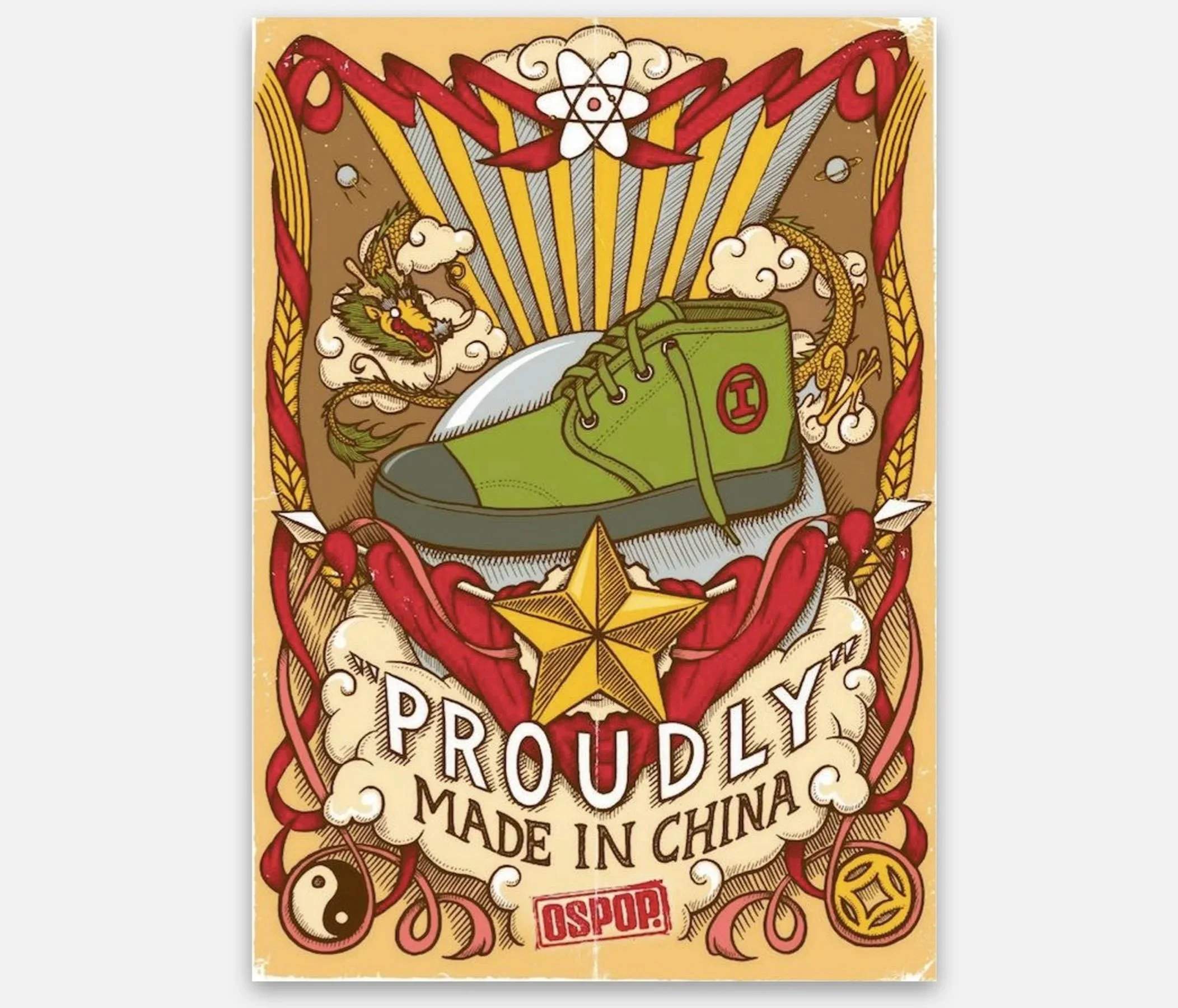
Illustration by Panda Mei (Chongqing, China).
Overview / The Challenge
The timing of Ospop’s China launch was a "Defensive Maneuver" triggered by two pressures: trademark squatters (IP theft) and investor demands for domestic traction. However, the brand faced a Cultural Contradiction. The gritty labor aesthetic that charmed global markets, risked being read as poverty locally. To win over China’s urban youth, we had to re-engineer the brand from blue-collar souvenir to streetwear staple without losing our soul.
Strategy / The Blueprint
I realized we couldn't force the "workwear" narrative, so I decided to let the local culture rewrite it. I identified China's emerging creative class (designers, artists) not just as an audience, but as co-creators and prospective ambassadors. By opening the brand to their interpretation, we leveraged their cultural capital to validate our utility.
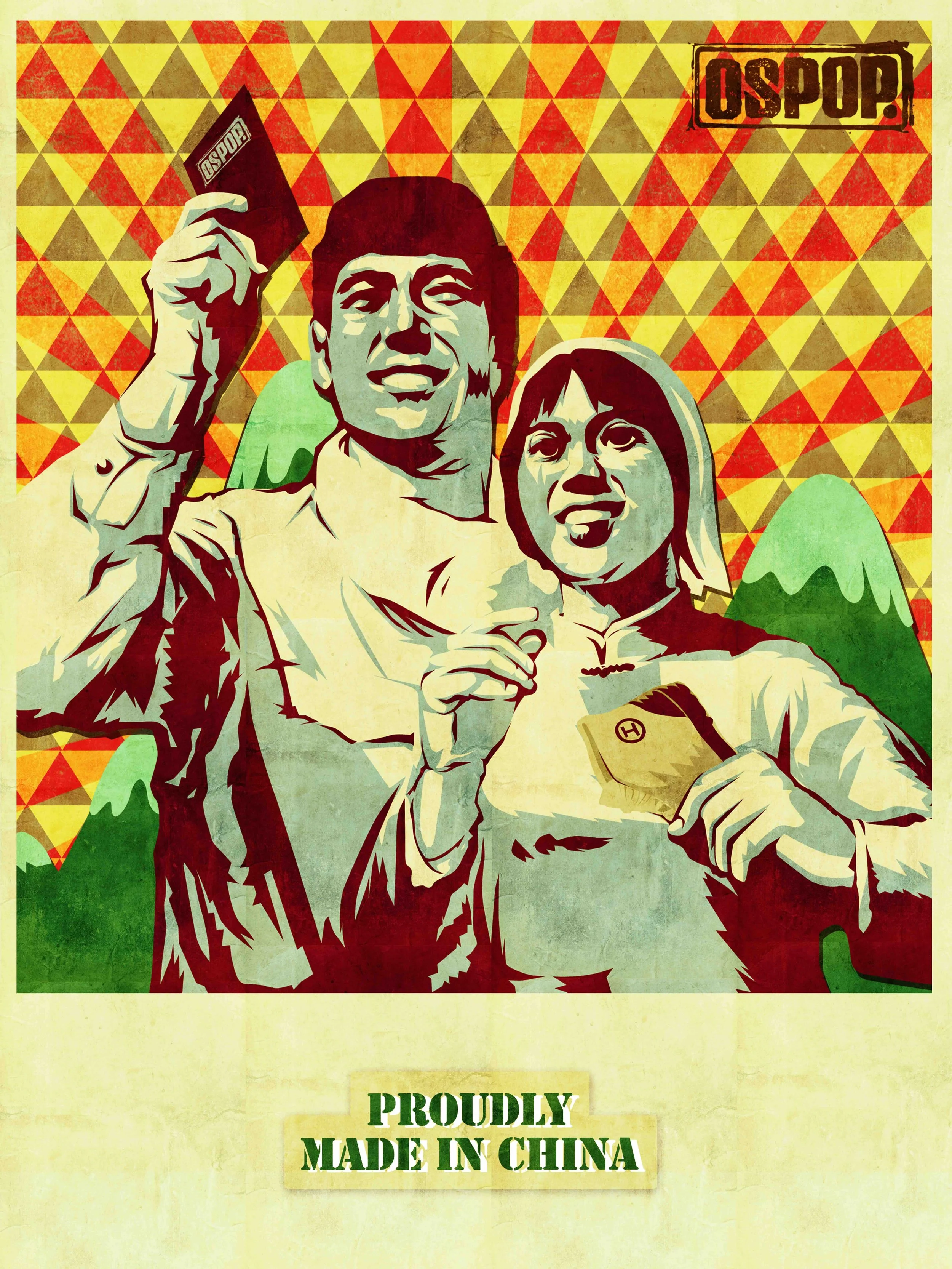
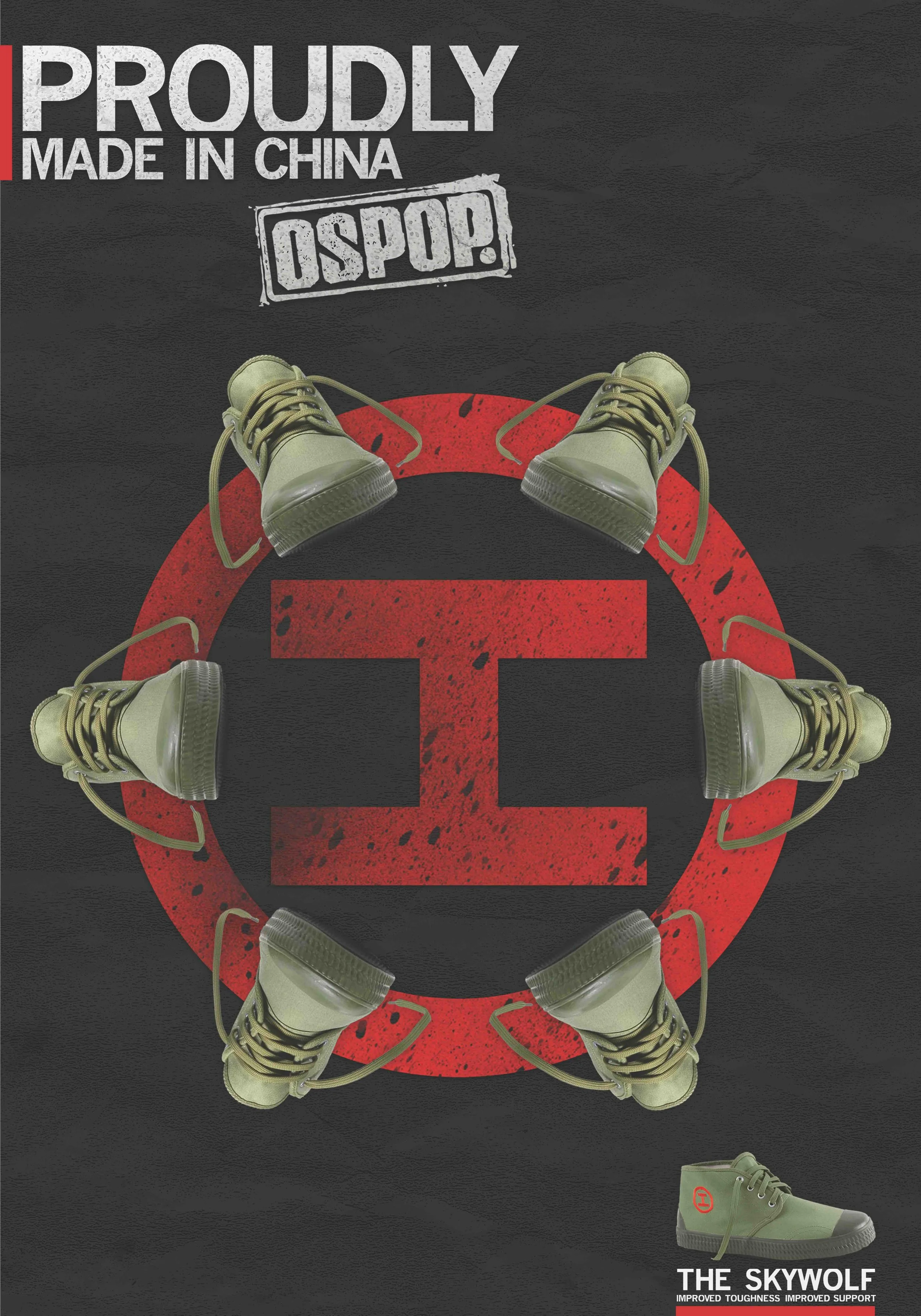
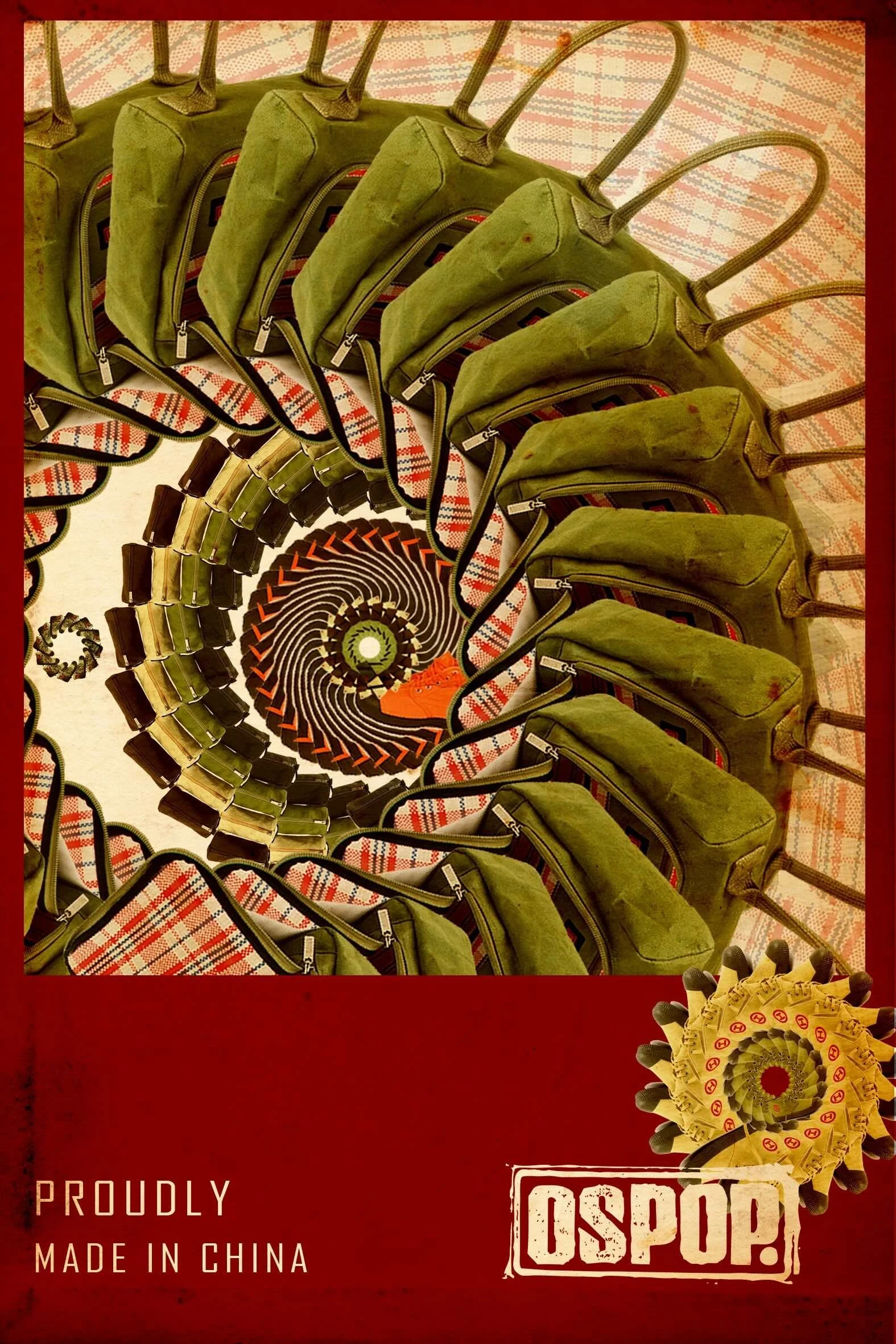
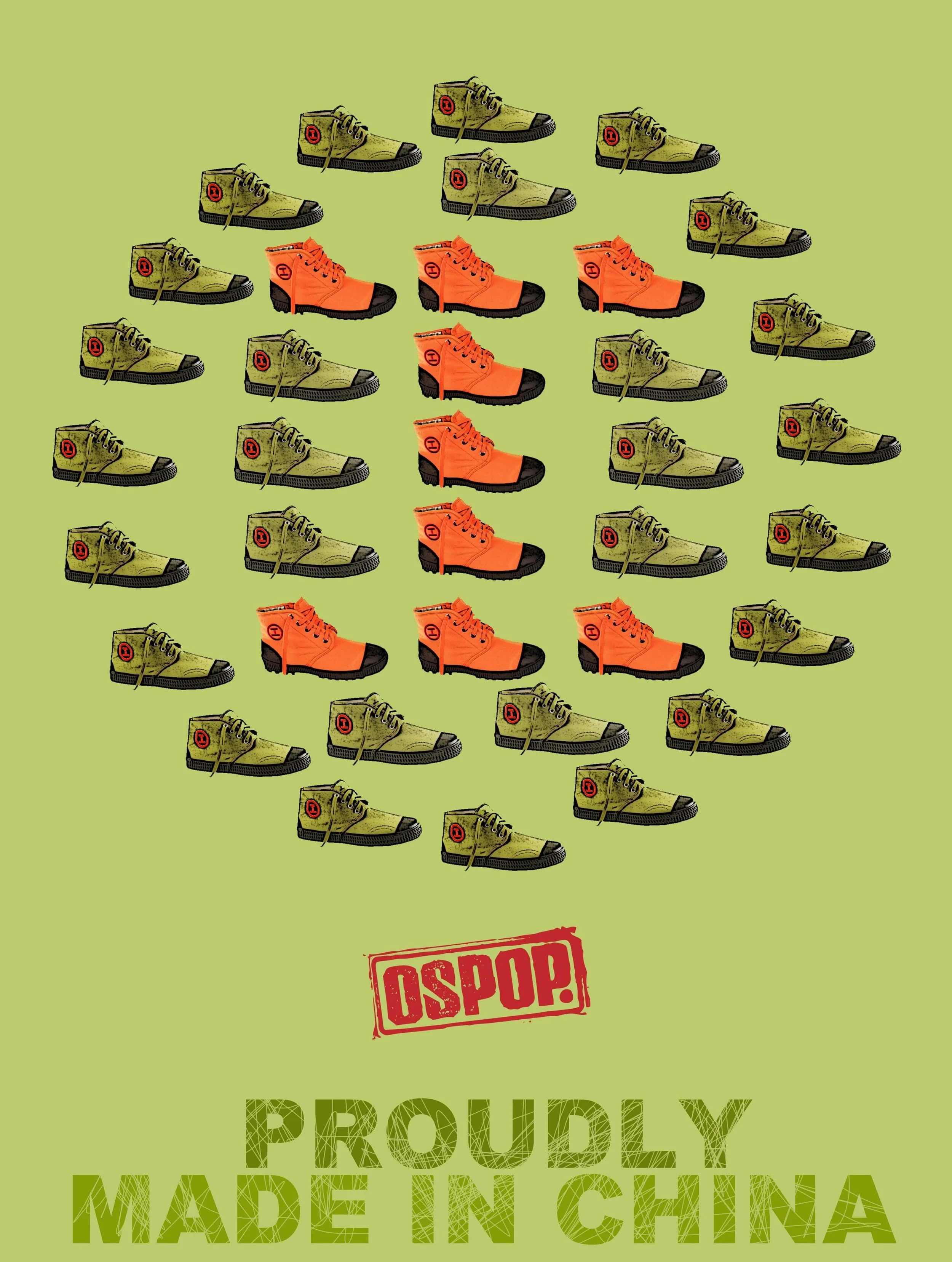
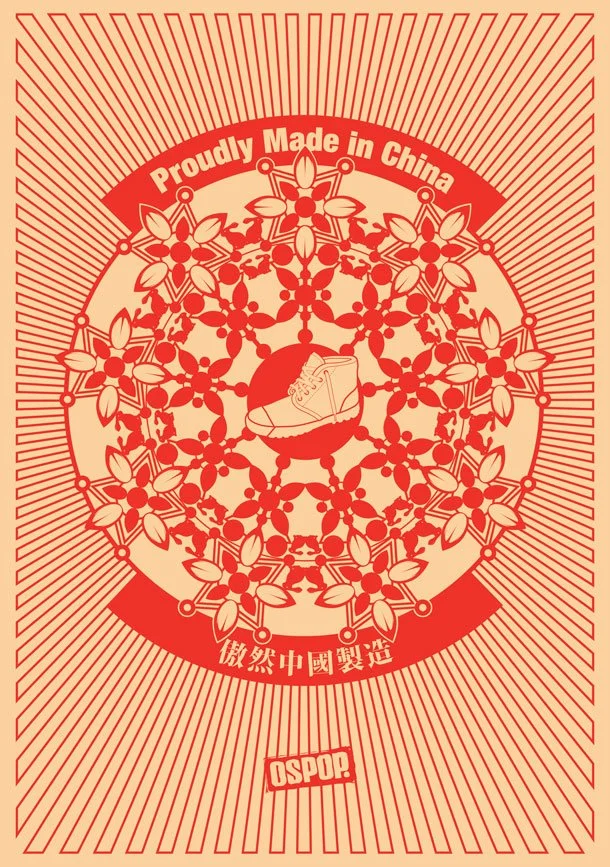
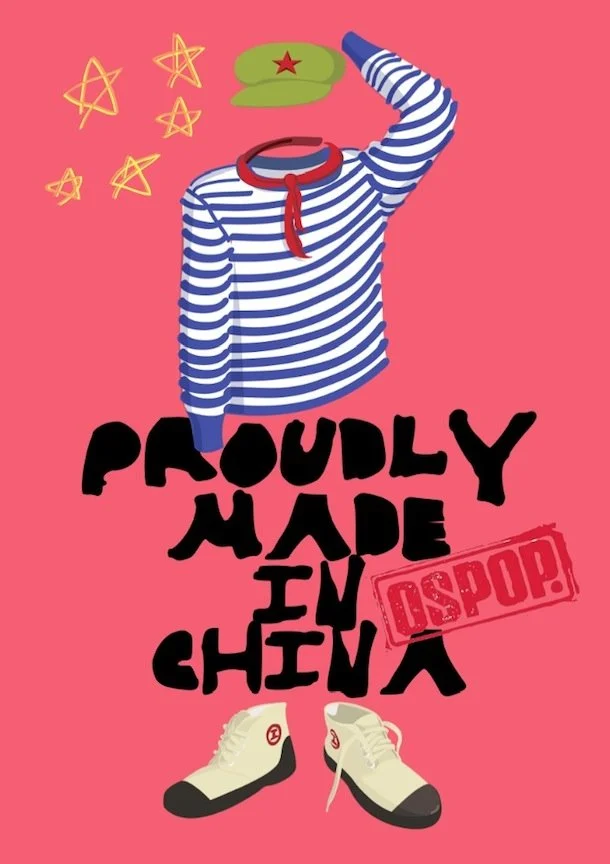
Participating Artists (clockwise from top left): MOJO 王传捷, Jiaru Jiang Jmart, WENG Shihui 翁诗卉, Xu Jixiang 徐吉祥, Tony Kao, Mang Mang 赵冰玢.
Execution / The Build
We bypassed traditional advertising for community immersion, partnering with the creative collective NeochaEDGE for two key activations:
The Re-Imagination: We invited graphic artists to remix our Proudly Made in China poster, turning our propaganda-style heritage into modern pop art.
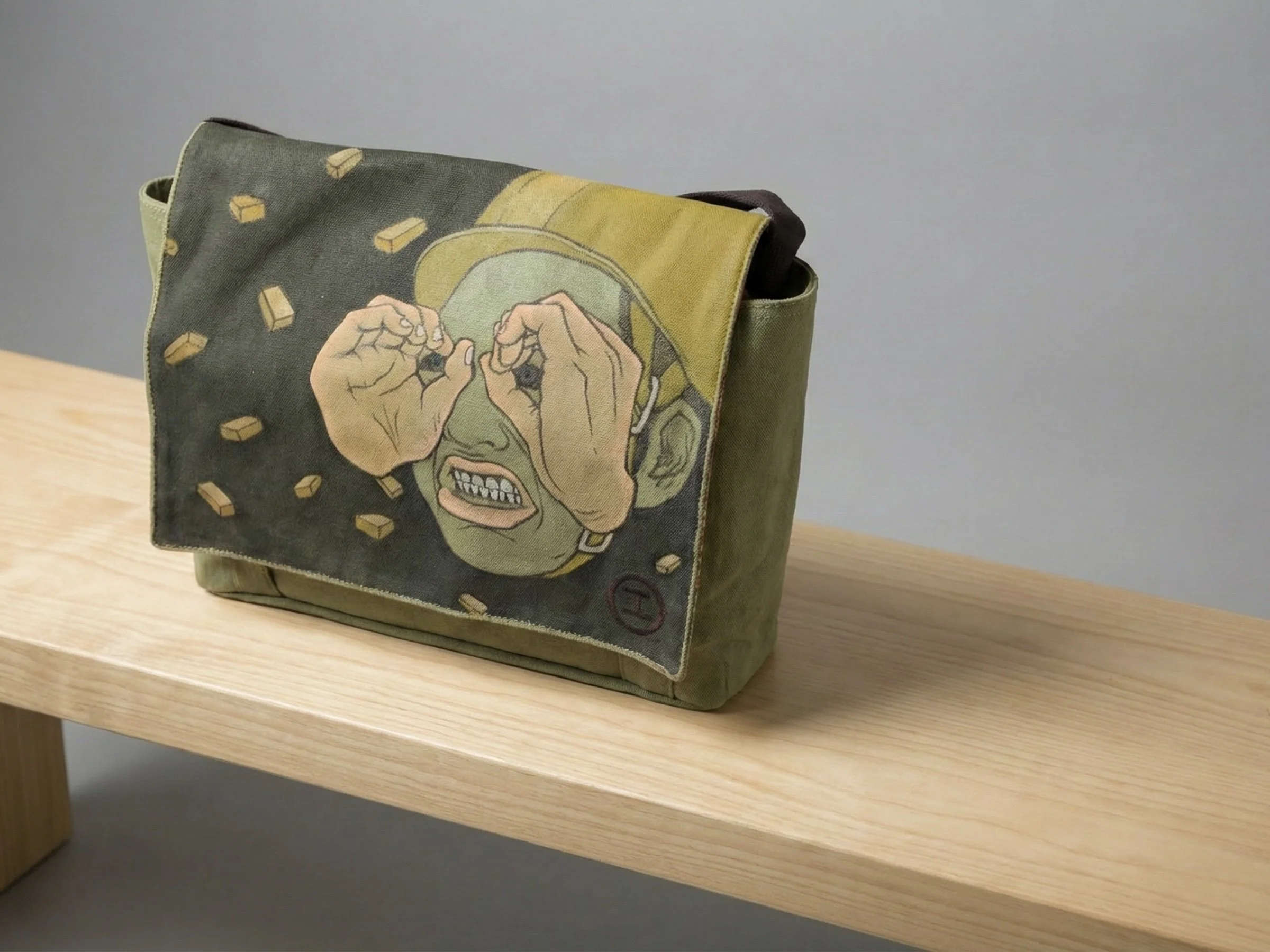
The Canvas: We commissioned artists to customize raw Ospop shoes and bags, transforming commodities into one-of-one art pieces.
The Channels: We built a "Content-to-Commerce" loop, using a localized Weibo presence to drive traffic to our custom Taobao storefront and retail partner Plastered 8. This infrastructure also served as the distribution engine for the Tian Yuan campaign (detailed in the Launching A Blue Work Shirt case study).
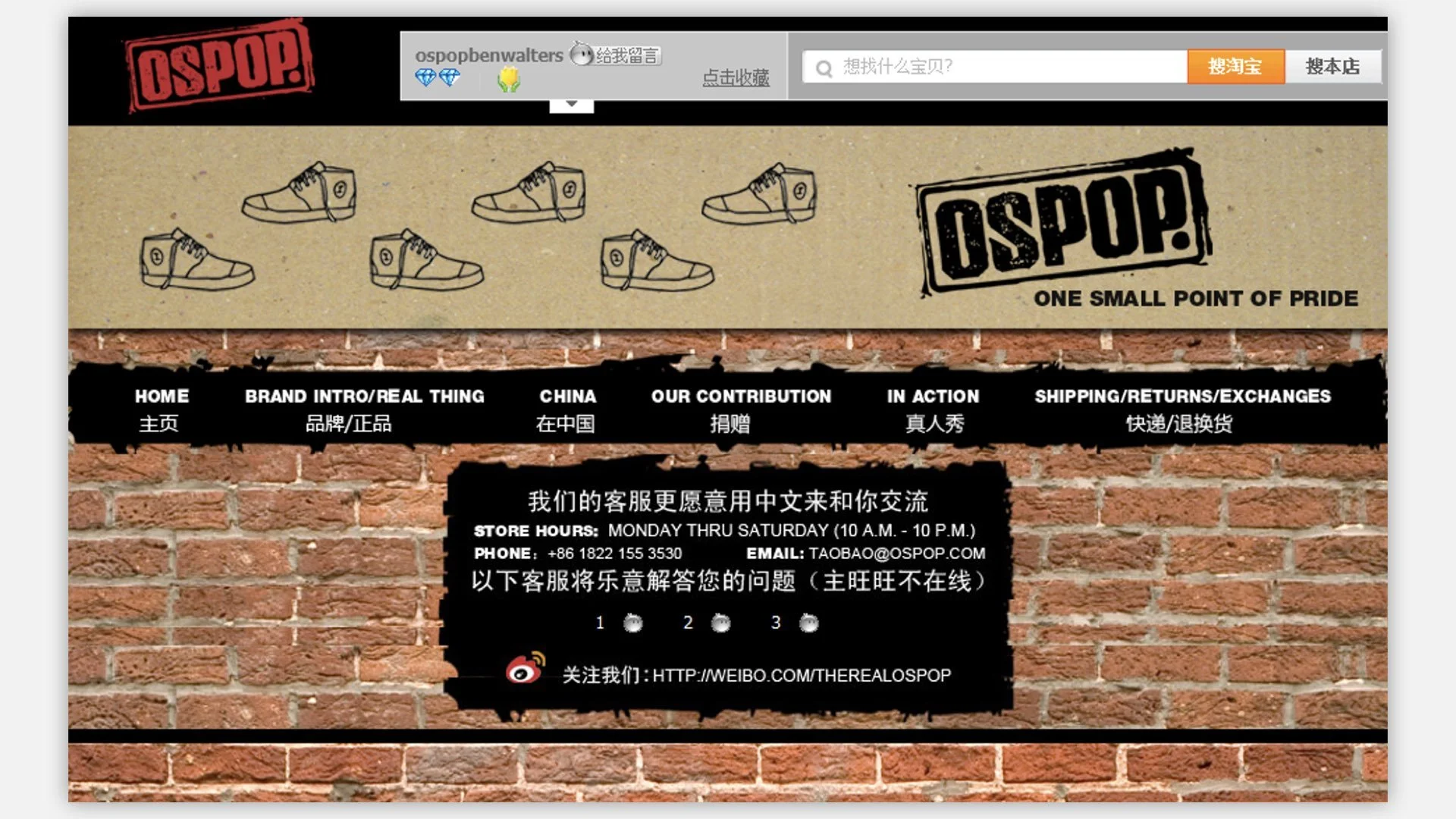
The Digital Flagship: Ospop’s custom-designed storefront on Taobao
Results / The Metrics
The pivot delivered immediate validation:
Viral Velocity: The initial Neocha campaign announcement drove such concentrated traffic that it crashed their servers for 10 minutes— a "good fail" that proved the appetite was real.
High-Fidelity Engagement: The campaign on Kaixin (China’s social giant) generated 73,865 views with a massive 11% engagement rate (8,400+ comments/replies).
Strategic Defense: Swift market entry successfully neutralized trademark squatters and validated domestic traction. This proof point satisfied investors, unlocking our first funding round beyond Friends & Family.
Learning / The Takeaways
Credibility is faster borrowed than built. In a new market, trust is a scarce resource. Instead of trying to earn it from scratch, we partnered with local market actors who already had it. By letting locals co-author the brand, we imported their credibility rather than waiting years to build our own.
Cultural fluency is an operational asset. Understanding the local culture isn't just a soft skill; it drives hard business results. It was our specific grasp of the local psyche, and the tension around national pride, that allowed us to turn a stigma into a selling point. You can't effectively operate in a market you don't understand.
-
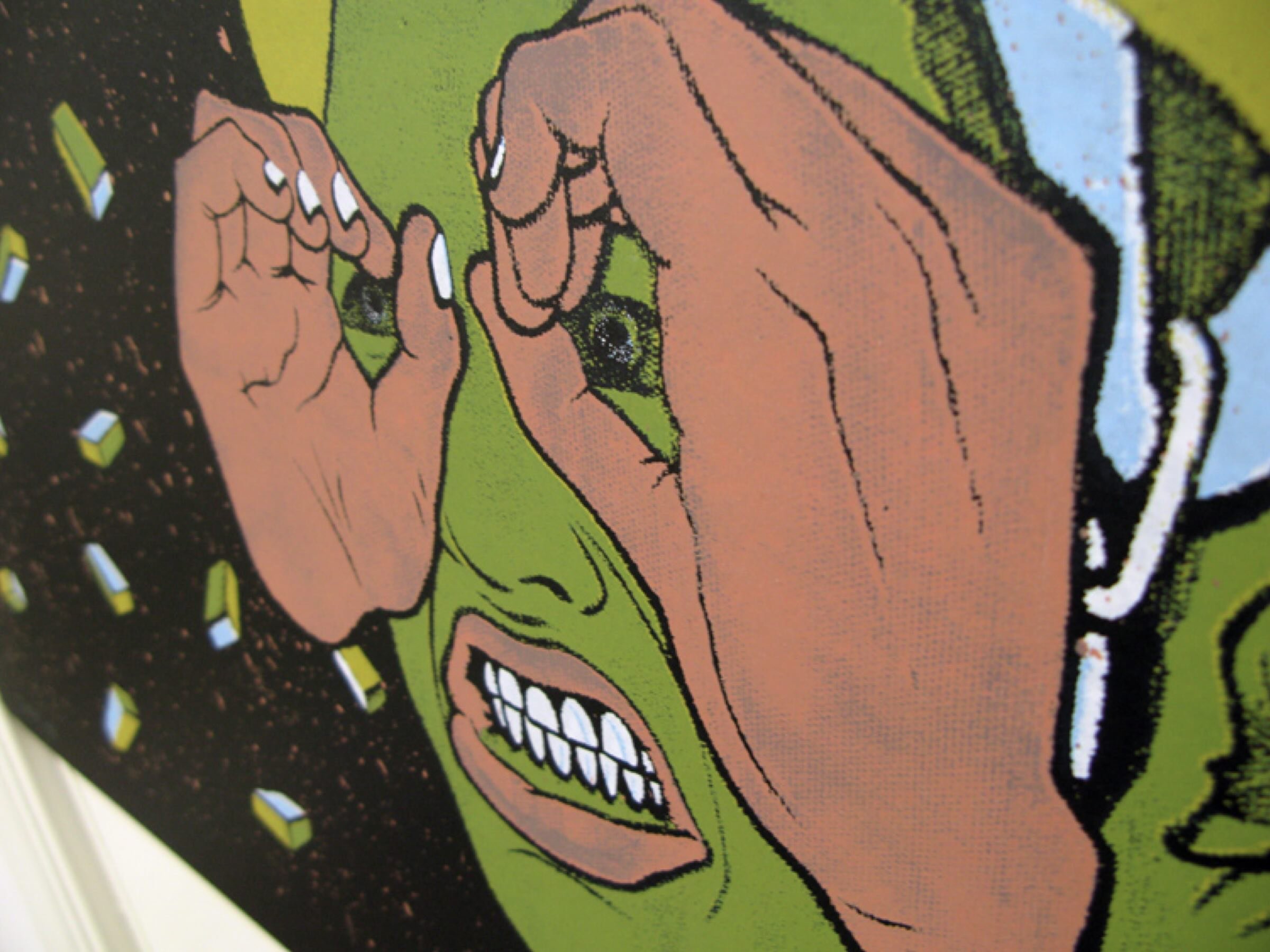
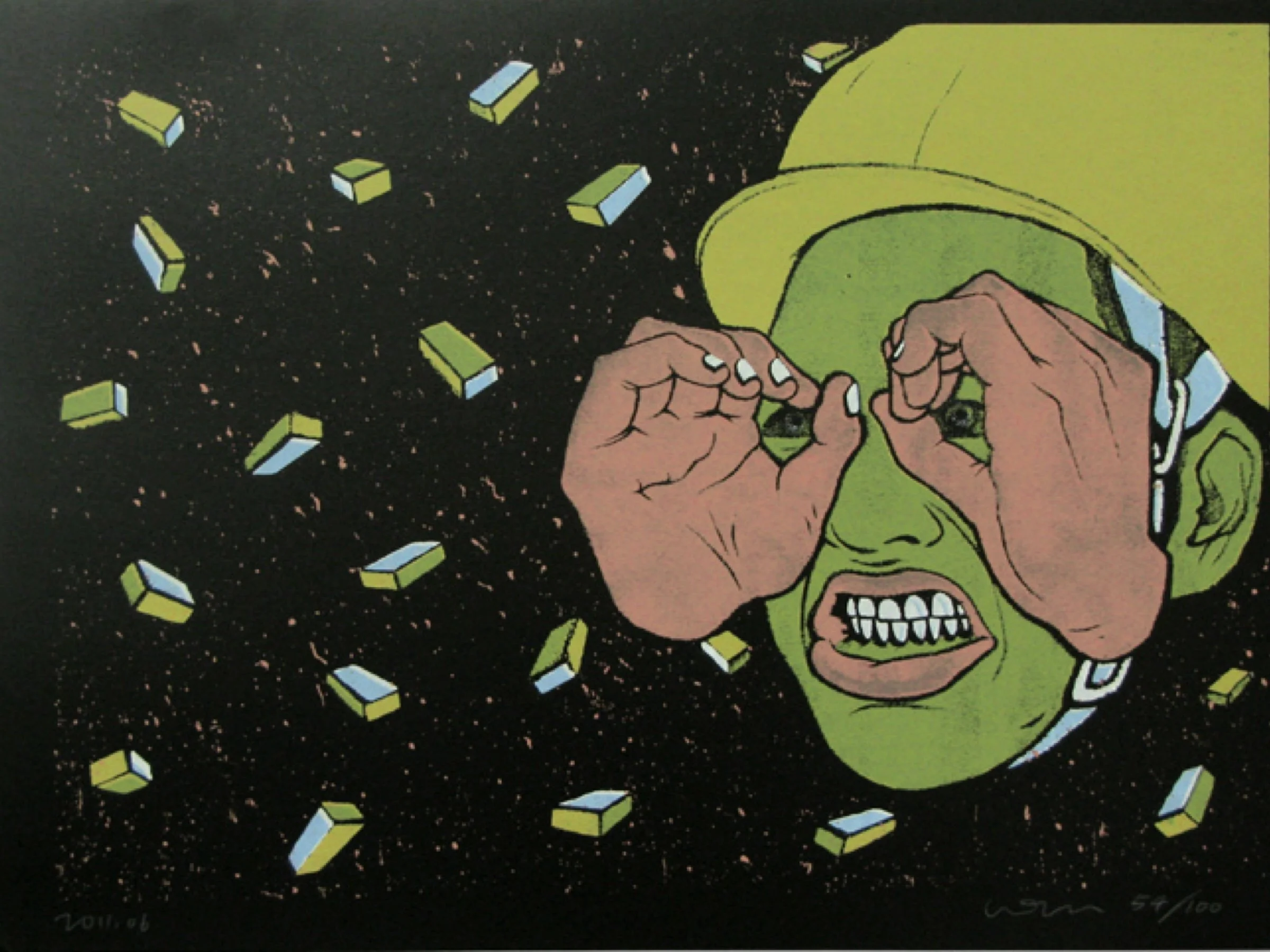
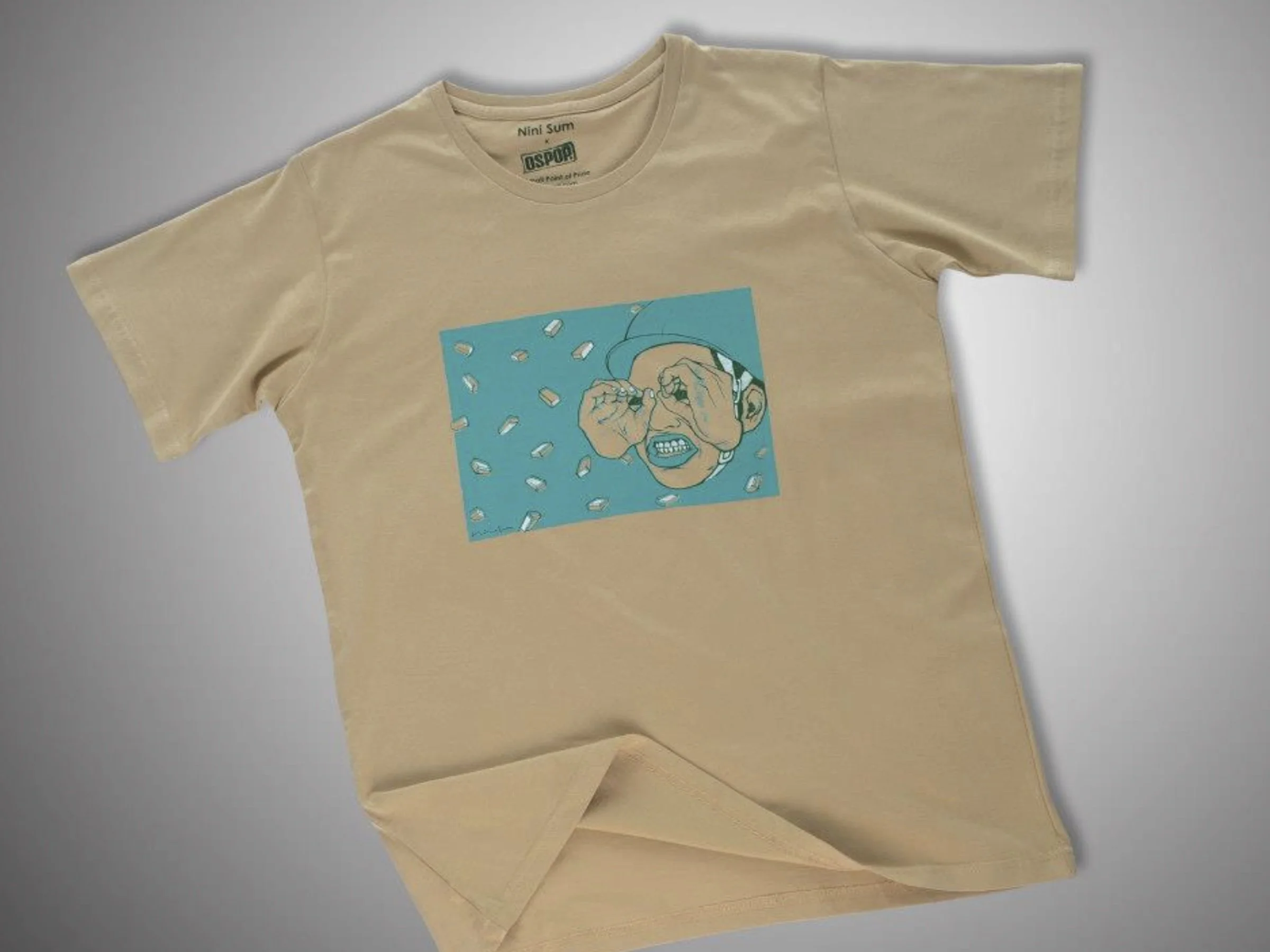
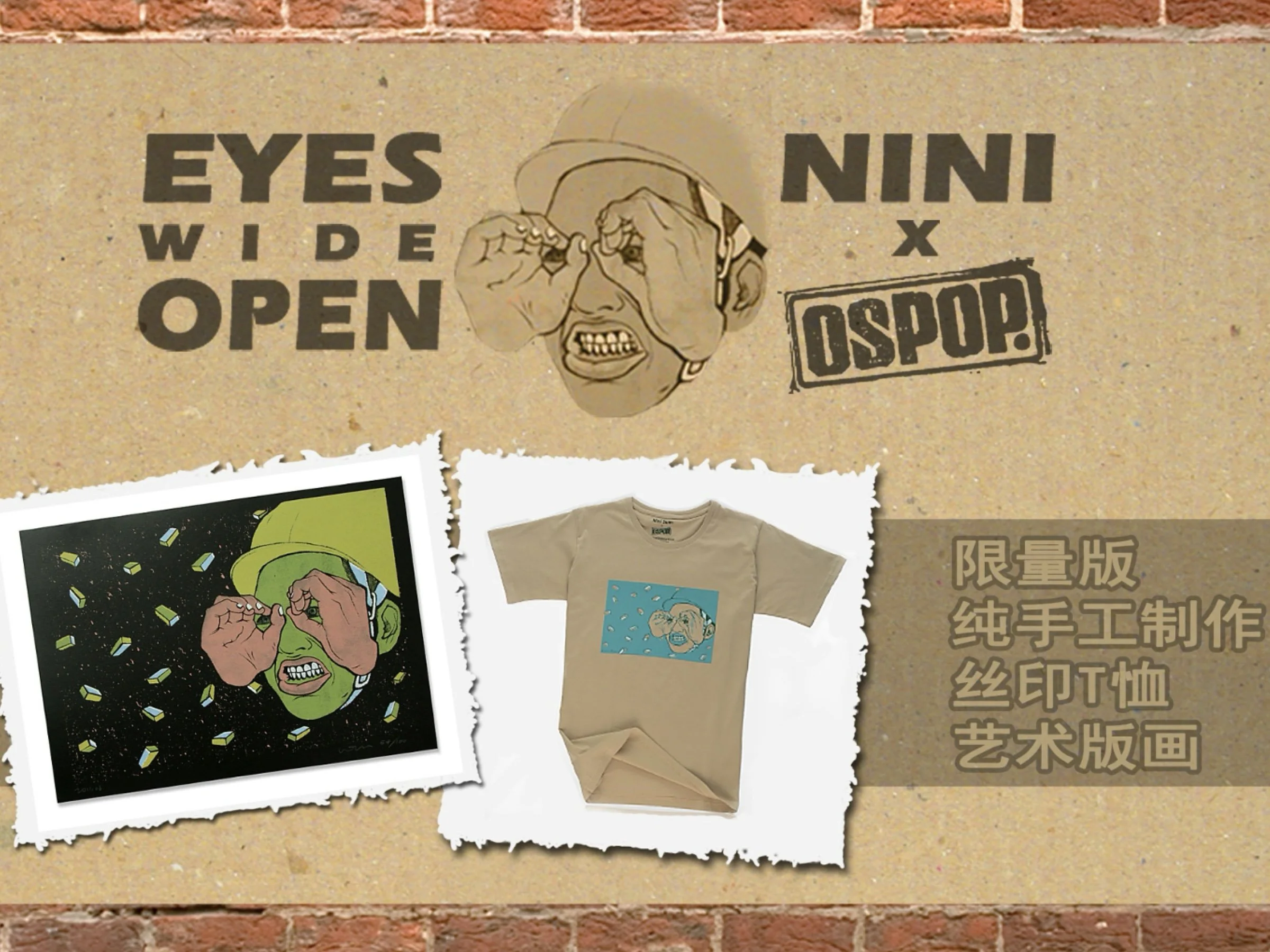
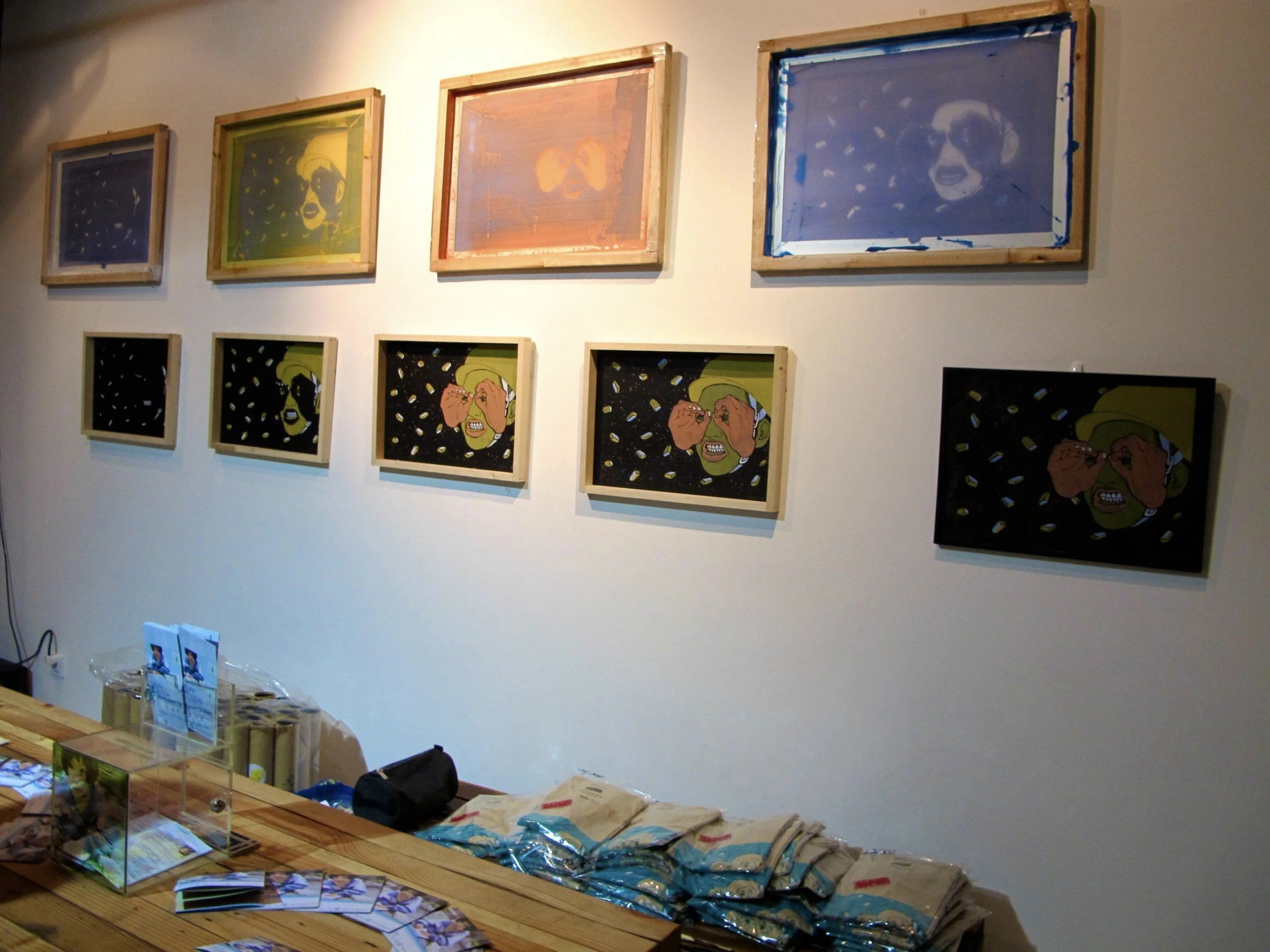
Nini Sum’s contribution was titled "Eyes Wide Open"—a sharp, provocative commentary on a generation waking up to the realities of labor. We realized immediately that this visual deserved a larger stage than just a bag flap.
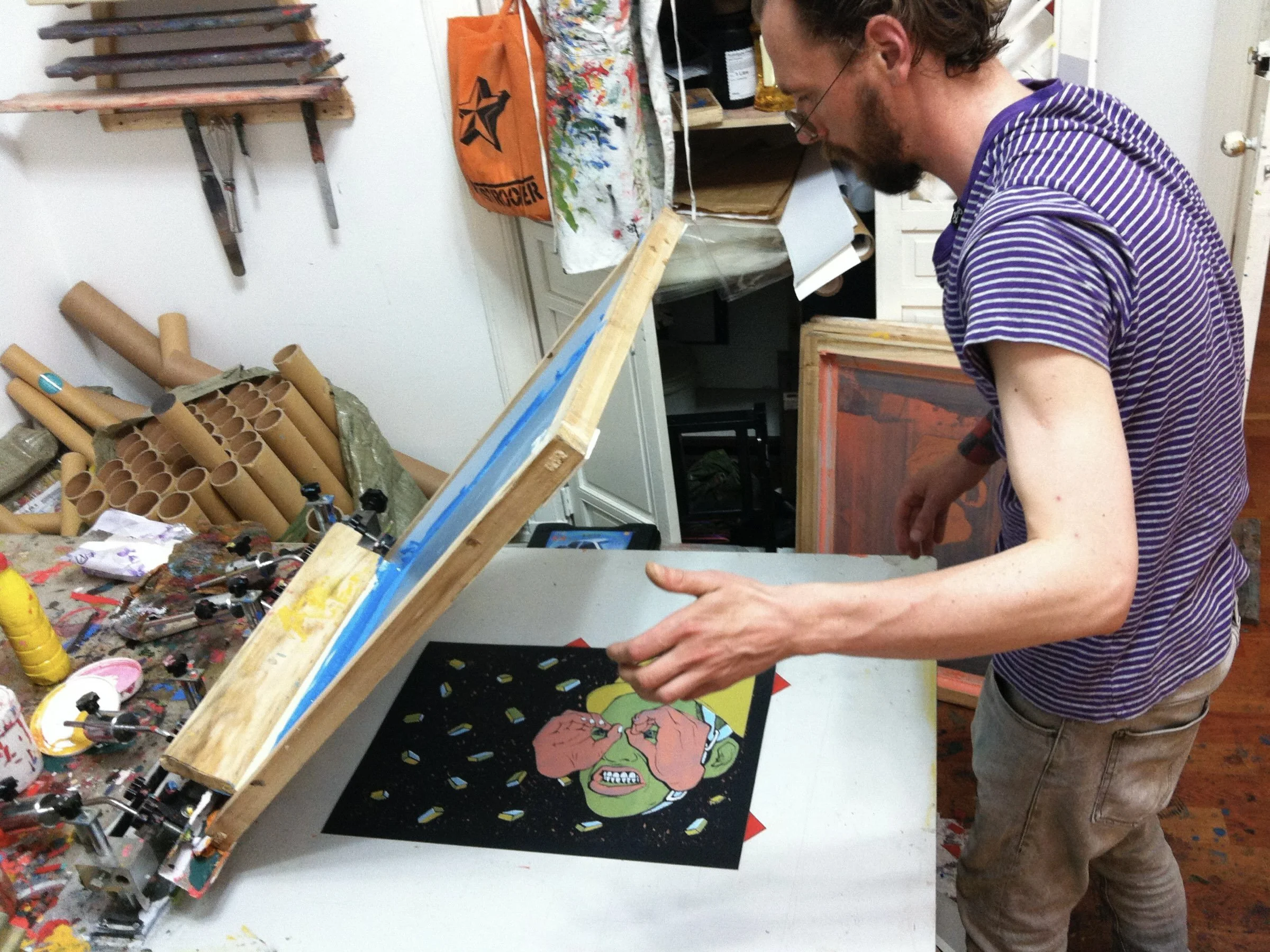
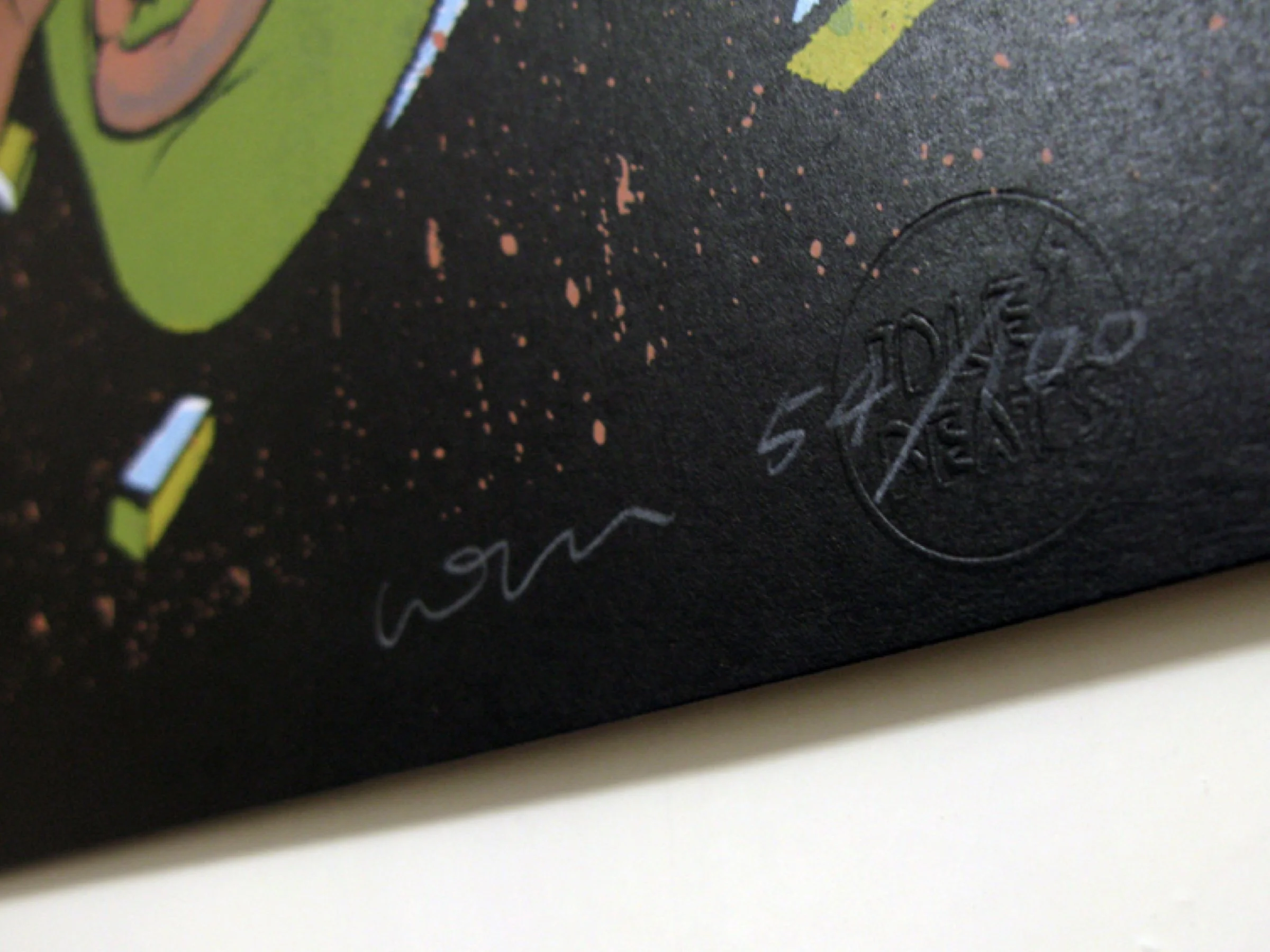
We expanded the collaboration to amplify her voice, commissioning her studio to produce 50 limited-edition, signed, and numbered screen prints and tees. This move transformed a standard licensing deal into a dedicated artist showcase, giving the work the gallery-style treatment it demanded.